
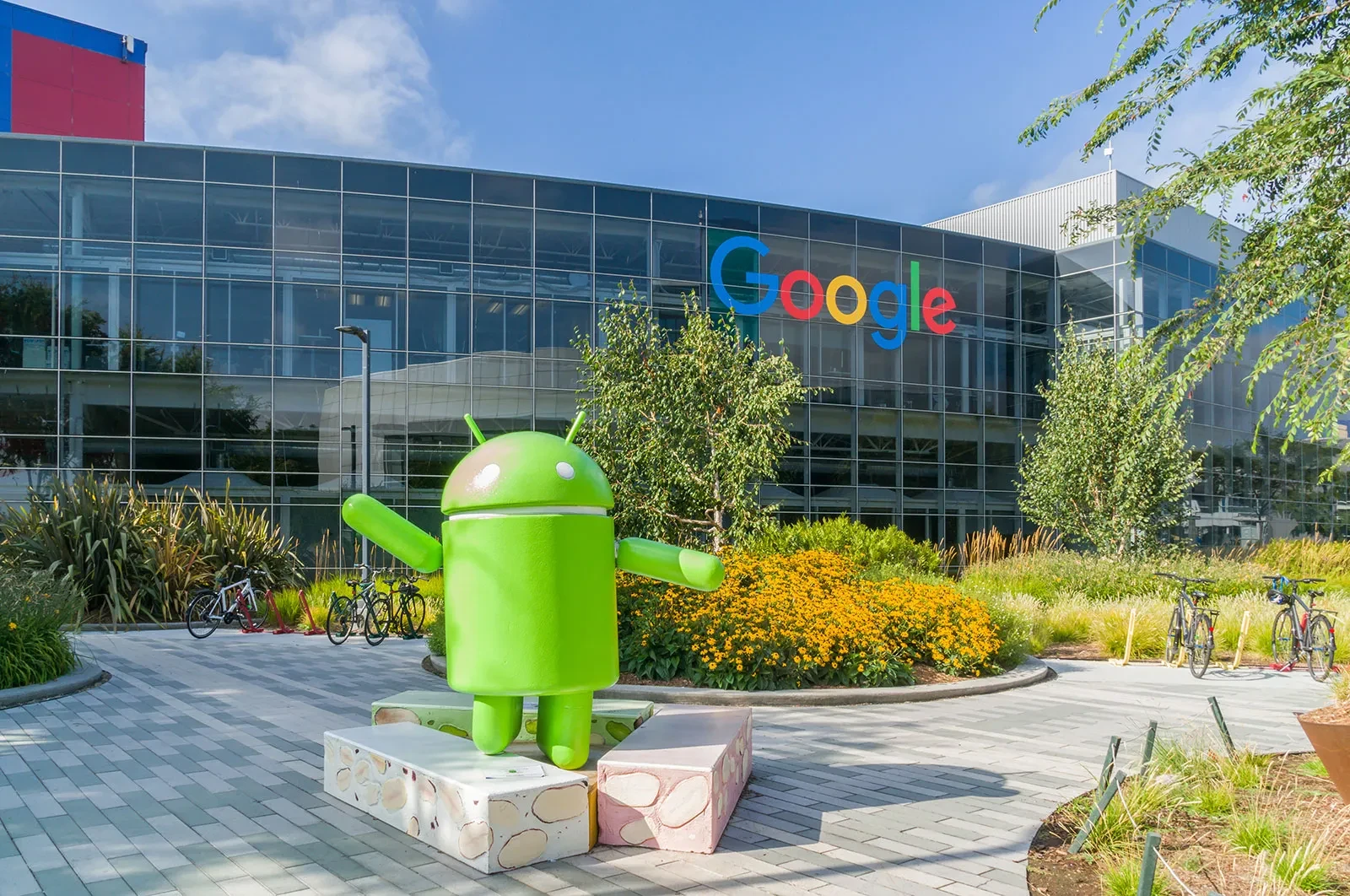
Google has selected 15 South African-led startups for its 2026 Google for Startups Accelerator: South Africa, choosing them from 1,057 applications - the programme’s largest applicant pool to date, according to the company.
The three-month programme pairs founders with Google engineers and industry mentors and provides access to AI and cloud tools. Google says participants may receive up to R1 million in equity-free funding. That is the maximum available, not a confirmed payment of that amount to every startup. The programme is due to end with a Demo Day in December. (Google’s cohort announcement; programme details)
Building around local needs
The startups are working across education, finance, legal services, health, mobility and commerce. Buddy Learning is developing a low-data tutor delivered through WhatsApp. Ambani Africa focuses on African-language learning for children, while Zumii helps parents source and order school stationery. Other companies include Anvaya Legal AI, which builds tools for legal research and document review, and Daedalis, which works on data infrastructure for supply chains.
The range of ideas reflects an effort to apply technology to specific, everyday problems - not just to build AI for its own sake. Products delivered through familiar tools such as WhatsApp, or designed around local languages, could be easier for some people to access. But that potential still needs to be demonstrated with users.
Selection is only the beginning
An accelerator place is not proof that a product works at scale. For education tools, for example, the important questions include whether they teach accurately, work well across languages and age groups, and remain useful in real learning environments. Similar tests apply across the cohort: do customers keep using these products, and can the businesses grow sustainably?
Google describes the selected companies as revenue-generating startups. The company also says its broader Africa accelerator programme has supported more than 190 startups across 17 countries. Those are Google-reported figures; the cohort announcement does not independently measure the new startups’ impact.
The next three months will give the founders technical support and mentorship. December’s Demo Day may offer an early look at their progress. The more meaningful test will come afterward: whether these products earn lasting customers and deliver results beyond the accelerator.




Discussion
0 Comments
No approved comments yet. Start the conversation.