
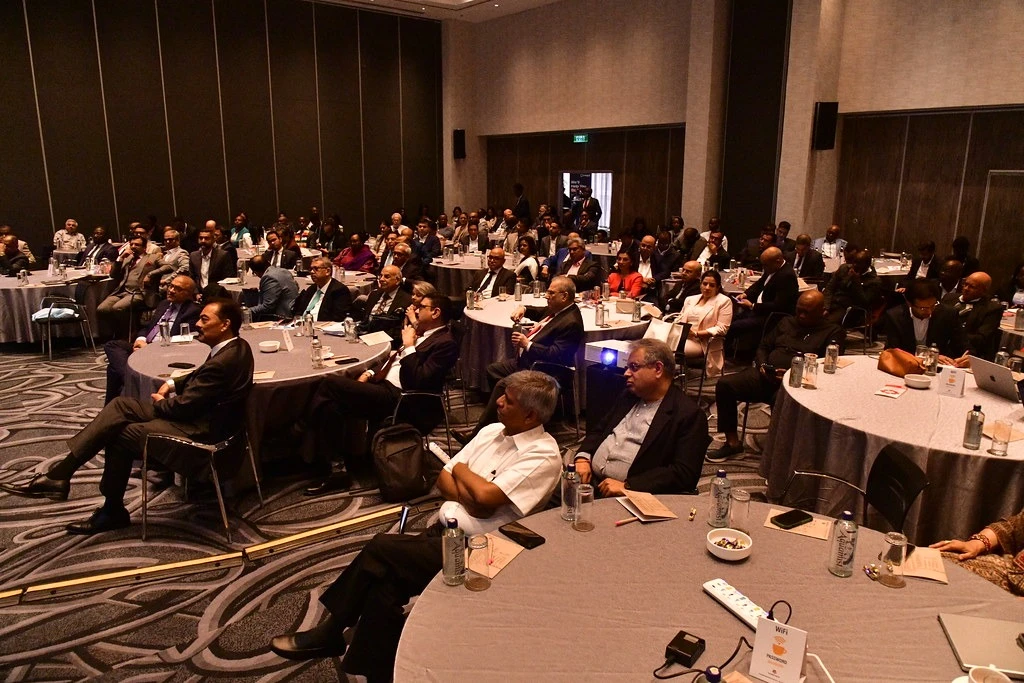
Zimbabwe’s pitch to become an outsourcing destination has gained a fresh audience at the Zimbabwe–India–Africa Tech and Entrepreneurship Summit in Harare. As the scheduled two-day gathering concludes on 29 October, the useful measure of its success will be what companies commit to build and buy.
The Herald’s reporting describes Indian interest in Zimbabwe’s technology workforce and business-process outsourcing opportunities. ZBC reports that visiting representatives are exploring fresh projects and local partnerships.
These are signs of commercial interest. The sources reviewed do not establish a named outsourcing investment with a disclosed capital commitment, customer contract and delivery timetable.
What the summit is proposing
The organisers’ website identifies outsourcing, infrastructure, AI, skills and investment among its focus areas. It cites government ambitions for 50,000 jobs and more than US$100 million in foreign-currency earnings.
It also promotes incentives for licensed BPO investors, including a 15 percent corporate tax rate and first-year capital allowances for ICT infrastructure. These descriptions are the organisers’ presentation of the framework, rather than an assessment that any particular applicant qualifies.
The site proposes a Harare–Bengaluru cooperation framework covering talent exchange and an investor-landing desk. Proposed arrangements should be tracked through signed responsibilities, budgets and delivered services.
A delivery centre needs a customer
The first question for any investment announcement is who will purchase the work. A building, training intake or memorandum can support a business, but it does not establish recurring demand.
A concrete project should identify the service being exported, the operating company, the expected start date and the first hiring phase. Some customer details may remain confidential; investors can still disclose whether binding work has been secured.
Job numbers also need definitions. Permanent employees, temporary trainees, contractors and projected future positions should be reported separately. A national aspiration should not be counted as jobs created by one summit.
Reliability will shape the price
Outsourcing customers buy dependable delivery. A Zimbabwean operator therefore needs to price connectivity, backup power, equipment replacement, staff development and security into each contract.
For customer support, outages can interrupt live conversations. For software or back-office work, they can disrupt deadlines and access to client systems. Redundant connections and power support are operating requirements to cost, rather than benefits to assume.
Skills need the same practical treatment. Educational attainment is a foundation; each contract still requires relevant tools, supervision, quality control and, where appropriate, sector-specific knowledge.
AI changes which services are worth building
Automation may help a smaller team deliver work more efficiently, while also reducing demand for some routine tasks. A credible business plan needs to explain where human expertise remains valuable and how employees will develop it.
Possible services range from software testing and technical support to specialist business processes. These are examples of work an investor could evaluate, not announced projects or verified areas of Zimbabwean export growth.
The summit’s separate 30 October capacity workshop offers another discussion point on skills and employability. Its value will depend on follow-through into training linked to real work.
The next strong story would name an operator, a funded facility, a customer and an initial hiring schedule. Until those details emerge, Zimbabwe has a renewed outsourcing pitch and a chance to develop partnerships, with the investment outcome still to be demonstrated.




Discussion
0 Comments
No approved comments yet. Start the conversation.