
Zimbabwe’s proposed national digital payments platform faces a near-term test: whether the Reserve Bank of Zimbabwe can conclude negotiations with NPCI International Payments Limited by its stated 31 October target. The immediate milestone is an agreement, rather than the launch of a working nationwide service.
The Herald reported on 26 October that talks were advanced but no agreement had been reached. The proposal would use technology behind India’s Unified Payments Interface to connect regulated providers through common payment infrastructure. No subsequent signing announcement was located in the sources reviewed for this article.
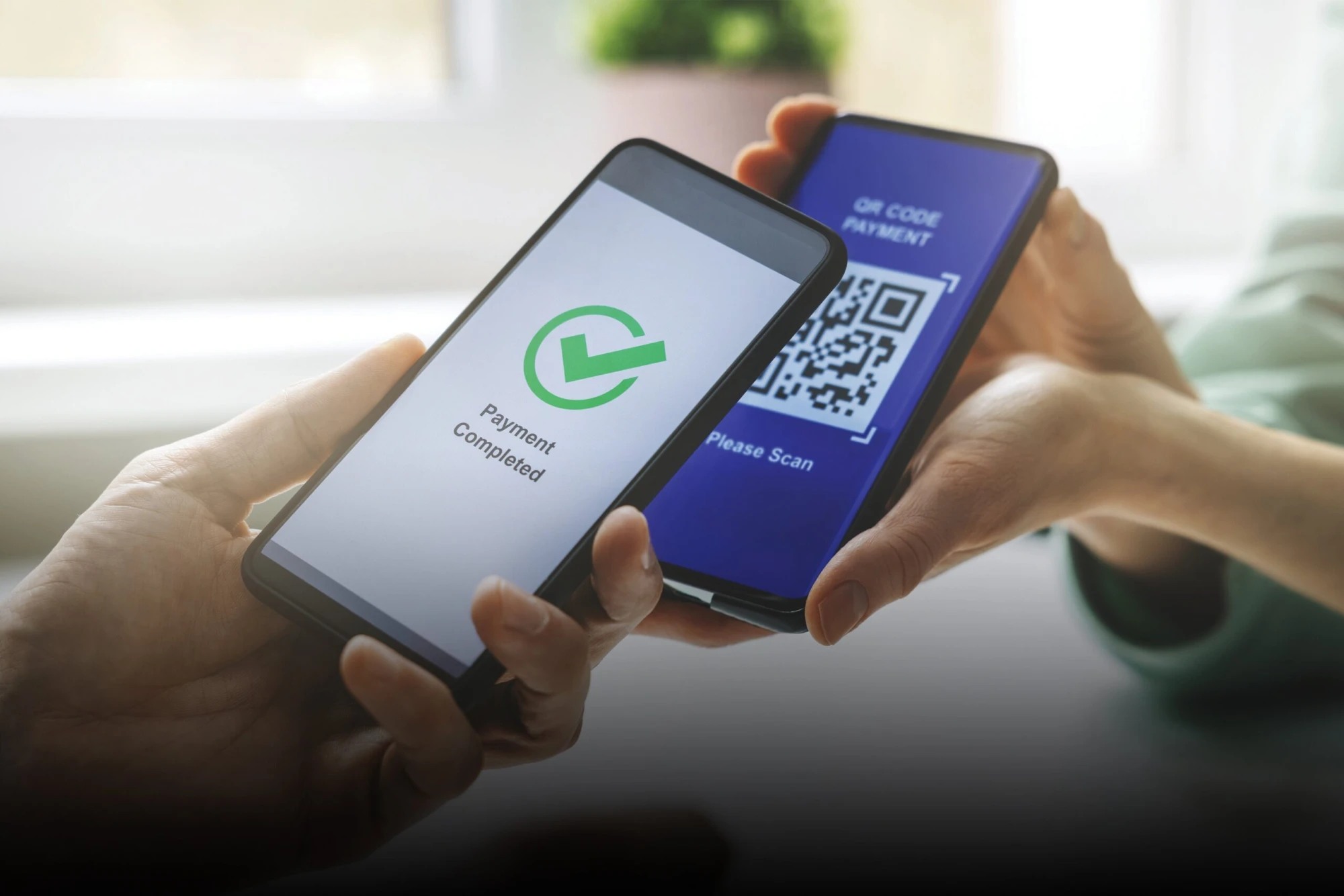
For a merchant, the attraction is straightforward: one compliant QR code could receive payments from customers using different participating banks or wallets. The details behind that convenience are where the project will succeed or struggle.
Zimbabwe already has a QR standard
The RBZ’s March 2026 circular directs providers and banks to align their applications, merchant products and processing infrastructure with national QR requirements. It specifically calls for acceptance across banks, mobile-money operators and payment service providers, avoiding closed systems.
The accompanying guidelines cover interoperability, participant responsibilities, customer information, security and technical specifications. The proposed platform would therefore enter a market where common QR rules already exist.
A standard tells providers how to make their systems compatible. Working infrastructure must also route requests, identify recipients, return reliable confirmations and support reconciliation when something goes wrong. A merchant’s printed code is only the visible edge of that system.
Who connects, and on what terms?
A useful national network needs more than a long list of eligible participants. Customers need to know which institutions are connected at launch, which services work between them and whether participation is affordable for smaller providers.
Those details have not been established by the reviewed announcement. A practical rollout plan would name the first participants, certification stages and the order in which payment functions become available.
NPCI International’s earlier agreement with the Bank of Namibia shows that exporting UPI technology can involve helping another country build domestic payment capabilities. It does not establish Zimbabwe’s licensing price, ownership arrangements or eventual operating model.
Instant confirmation needs dependable settlement
At a shop counter, a successful payment should produce a clear result for both parties. Behind that result, participating institutions need rules for funding obligations, settling balances, handling outages and resolving payments that time out.
Zimbabwe’s design also needs to explain which currencies are supported and how any conversion is handled. Shared infrastructure does not automatically make balances in different currencies interchangeable.
The public reporting reviewed does not settle those questions. They are implementation requirements to examine when a technical plan or agreement is published.
Lower infrastructure costs do not guarantee lower charges
The governor told The Herald that affordability was a central objective, while declining to guarantee a particular fee reduction before rollout. That qualification should remain attached to the promise of cheaper payments.
A fair comparison should track what the consumer pays, what the merchant receives and any continuing account or acceptance charges. Savings inside a payment network only benefit customers when pricing and competition pass them through.
Procurement and operating costs matter too. The agreement should clarify who pays for integration, ongoing support and future upgrades, and how those costs reach participants.
For now, the next verifiable event is a signed agreement or an update on the negotiations. The stronger test will follow at the counter: can a customer pay a merchant across providers reliably, receive clear recourse when it fails and see a better total price?




Discussion
0 Comments
No approved comments yet. Start the conversation.