
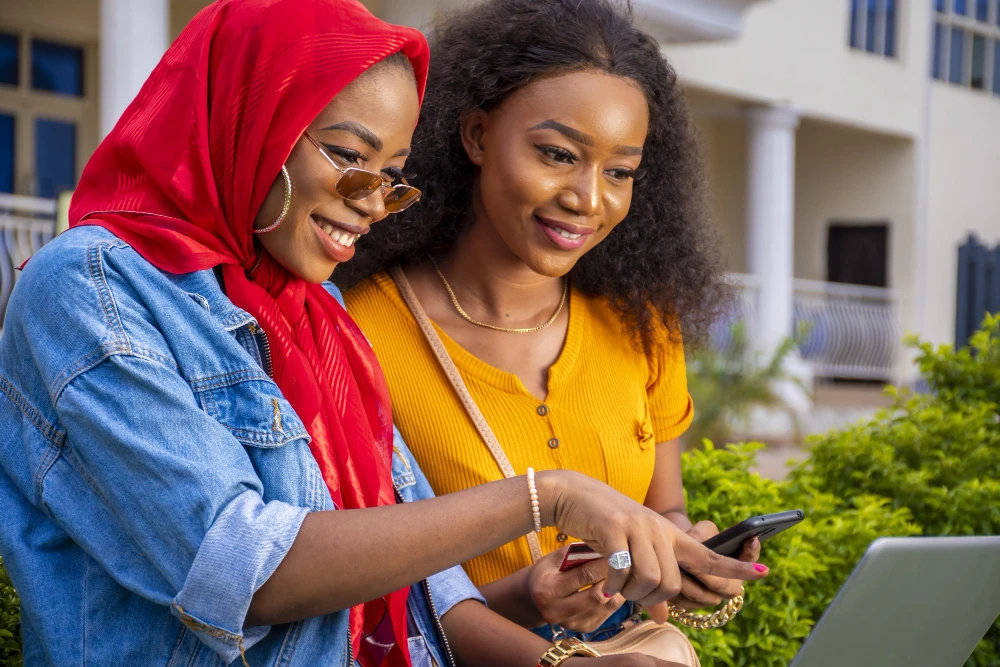
A new roadmap from the GSMA and the Partnership for Digital Access in Africa (PDAA) puts a sharper number on a stubborn connectivity challenge: about 906 million people in Africa live within reach of mobile broadband but do not use mobile internet. Another 122 million people, around 8% of the population, remain outside mobile broadband coverage, according to analysis behind the plan.
Launched on 21 September 2026, the roadmap supports an ambition to connect one billion people to the internet by 2030. It draws on analysis of 11 African markets and argues that building network coverage is not enough. Device cost, reliable electricity, practical digital skills, safety, relevant content and useful services all influence whether people become regular internet users. (GSMA and PDAA roadmap announcement)
The gap between signal and participation
The distinction between coverage and use is significant. A mobile signal can reach a community while households still cannot afford a smartphone, data or electricity to keep it charged. Others may have access but lack the confidence or skills to use online services safely, or find too little content in languages and formats that feel relevant.
The roadmap calls for three connected priorities: moving legacy 2G and 3G connections towards smartphone-based 4G and 5G use; coordinating energy investment with network expansion; and reducing the cost of reaching rural and underserved communities through shared infrastructure and public-sector demand from places such as schools and clinics.
An ambition that needs measurable follow-through
GSMA and PDAA say halving the usage gap across the 11 markets studied could bring about 245 million more people online. That is a modeled opportunity, not a guaranteed outcome. The one-billion target will depend on governments, operators, development partners and investors aligning policy and funding over several years.
The roadmap’s strongest point is its insistence that success should be measured by meaningful participation, not towers alone. Regular use of the internet for education, health, finance and public services is a more demanding standard, but it is also a better measure of whether mobile connectivity is improving everyday life.



Discussion
0 Comments
No approved comments yet. Start the conversation.