
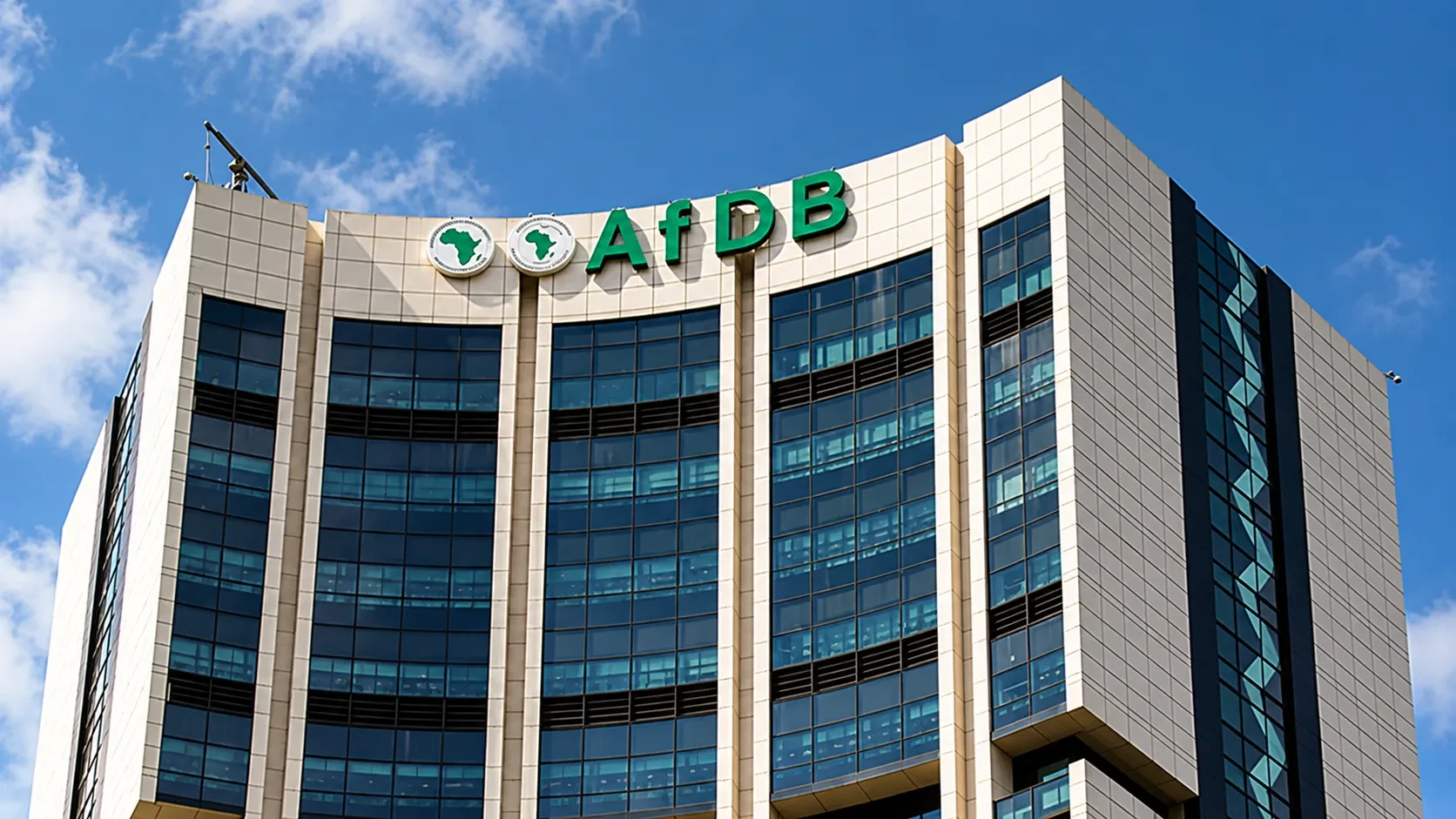
The African Development Bank Group and South Korea have signed a letter of intent to establish a Korea–Africa Hub for Artificial Intelligence, a platform intended to support AI development, adoption and financing across African countries. The agreement was signed in Seoul on 9 September 2026 during the Korea–Africa Economic Cooperation Ministerial Conference.
The Bank says the hub is expected to be based in Korea and bring together African and Korean governments, financial institutions, universities, research centres and companies. The partners say it will support knowledge exchange, identify investment opportunities and help integrate AI into projects financed by the African Development Bank. They plan to review progress over the next two years before considering whether to expand the platform. (African Development Bank announcement)
A cooperation platform, not a completed centre
The announcement is a letter of intent, so the hub should be understood as a planned framework rather than an operating research centre with a published budget or named projects. The Bank says funding is expected from Korean public and private institutions, but the announcement does not specify a committed amount for the hub itself.
A separate conference action plan put AI infrastructure, sector applications and digital skills among Korea–Africa cooperation priorities. The Bank also said the hub could support projects in infrastructure and innovation-driven enterprises. Those are broad areas; the next steps will determine which countries and sectors take part and how African institutions shape the work.
Turning partnership into capacity
The Bank estimates effective AI adoption could add up to US$1 trillion to Africa’s GDP by 2035, while noting that this depends on investment in infrastructure, compute, data, skills, governance and funding. That figure is a projection, not a forecast guaranteed by the new hub.
The initiative’s value will depend on whether it helps African teams access compute, capital and expertise on terms that build local capability. With the hub still in the planning stage, the clearest milestones to watch are its governance, funding commitments, first projects and the role African universities and businesses have in setting priorities.


Discussion
0 Comments
No approved comments yet. Start the conversation.