
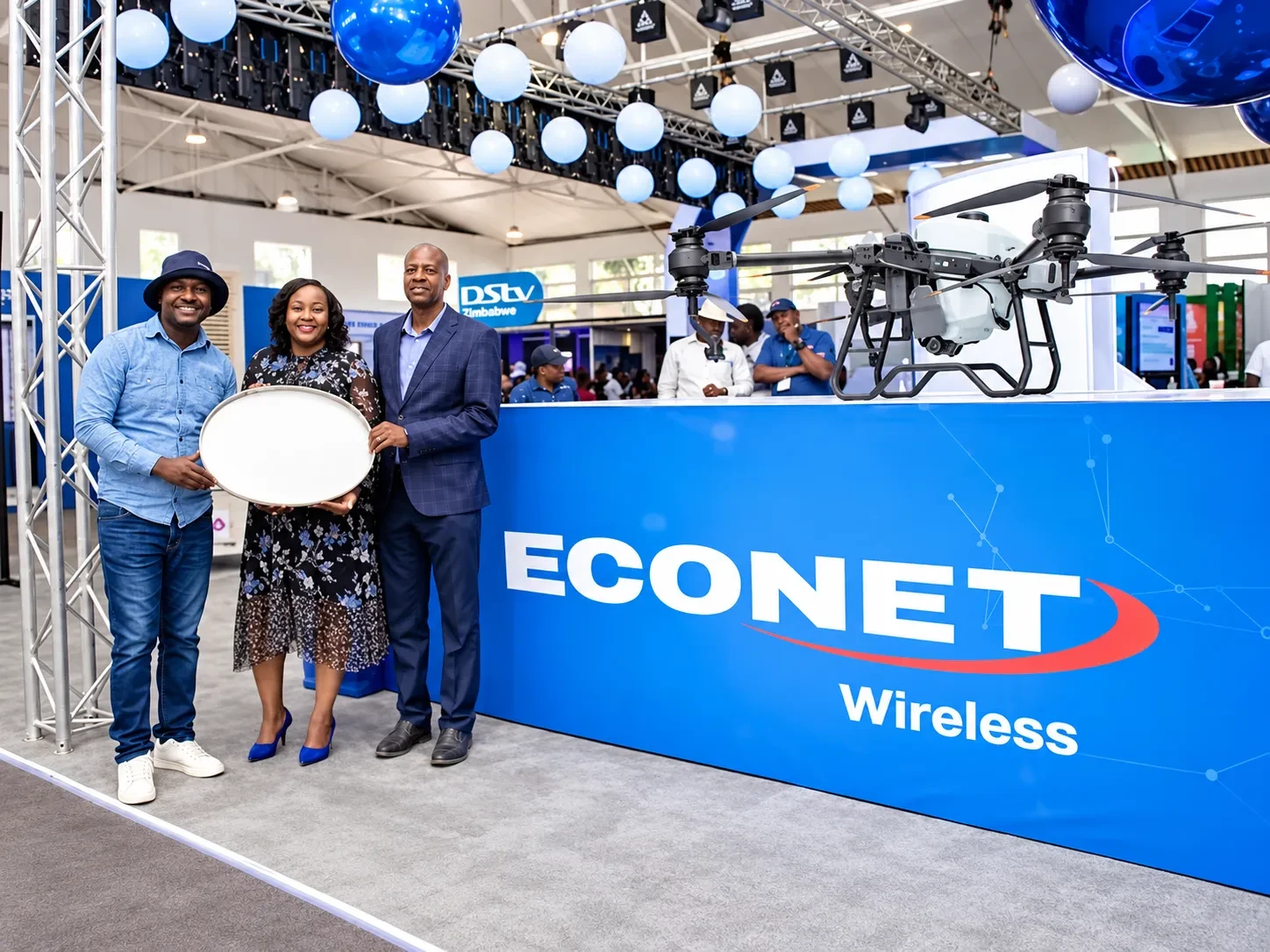
Econet Wireless Zimbabwe is making a familiar mobile-network idea do a new job: instead of buying only voice minutes or data, customers can now use airtime or EcoCash to buy access to generative AI.
The product, called EcoAI Tokens, brings ChatGPT, Claude, Gemini and Mistral into a single web platform. Econet is also promoting a 90-day offer that gives eligible new users 3,000 free AI tokens each day, making this a useful time to examine what the service actually offers and where its limits sit.
First, the name can be misleading. These are not cryptocurrency tokens and there is no blockchain element for customers to manage. A token is simply a unit the platform uses to measure AI consumption. Every prompt and response consumes some of the balance, with longer documents, more complex requests and larger outputs generally using more.
How EcoAI Tokens works
Customers register on the EcoAI Tokens website with an Econet mobile number and verify it using a one-time password. Once inside, they can choose among supported AI models while using one shared token balance.
Econet says the platform can do more than basic text chat. Its promotional material highlights side-by-side model comparisons, document uploads and summarisation, presentation creation and voice generation. The practical attraction is that customers do not need a separate account and overseas payment method for every AI provider.
The commercial model resembles a bundle. At launch, Techzim reported prices of US$0.10 for a daily package, US$0.70 for a weekly package and US$3 for a monthly package. Econet’s more recent marketing describes access as starting at US$3 and confirms that customers can pay using airtime or EcoCash. Because product pricing and the mix of available models can change, users should check the amount and validity shown in the portal before confirming a purchase.
The 90-day offer comes with conditions
Under Econet’s current promotion, eligible active prepaid subscribers who have not previously subscribed to or trialled the service receive 3,000 free tokens per day for 90 consecutive days. The clock starts when a customer successfully registers.
The tokens reset at midnight and do not roll over, so an unused daily balance disappears. Econet’s terms also say that upgrading to a paid package ends the free trial immediately, even if the 90 days have not elapsed.
One condition deserves particular attention: unless a customer cancels before the trial expires, the account may automatically move to the paid daily plan. Econet says it will send a reminder seven days before the end of the trial and that customers can opt out through the web portal. Anyone testing the service should still note their own expiry date rather than relying only on the reminder.
The strongest idea is local billing
ChatGPT, Claude, Gemini and other major services already offer free access of their own. That means EcoAI Tokens is not simply filling a gap where no AI tools were available. Its stronger argument is convenience.
International card payments remain an obstacle for many Zimbabwean users, while a US$20 monthly subscription to one premium AI service is a large upfront commitment. Econet turns that into a local, prepaid purchase and lets a customer work across several models without maintaining several subscriptions.
That flexibility could appeal to a student who needs help with one research session, a small business preparing a proposal, or a professional who occasionally wants to compare how different models handle the same task. Paying from an existing airtime balance is also more familiar than setting up a virtual card or recurring international payment.
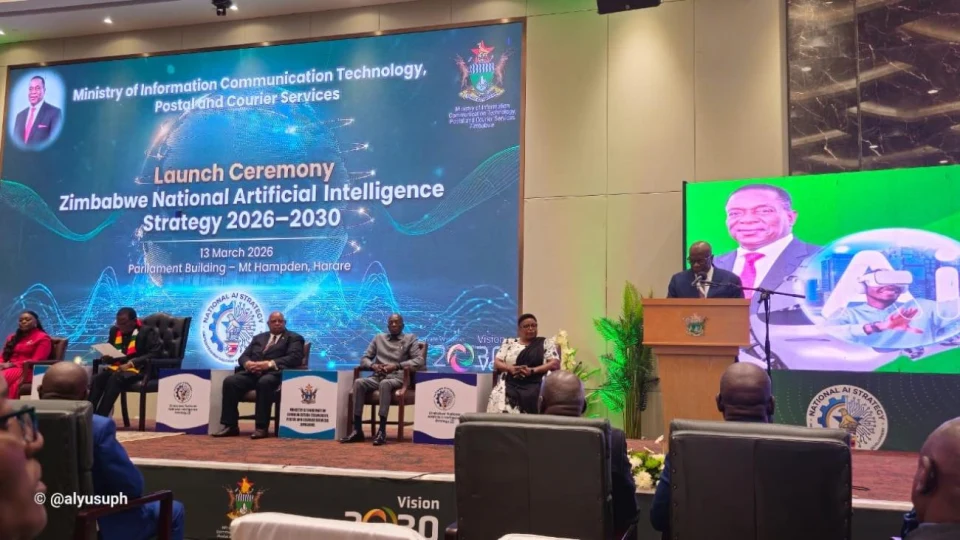
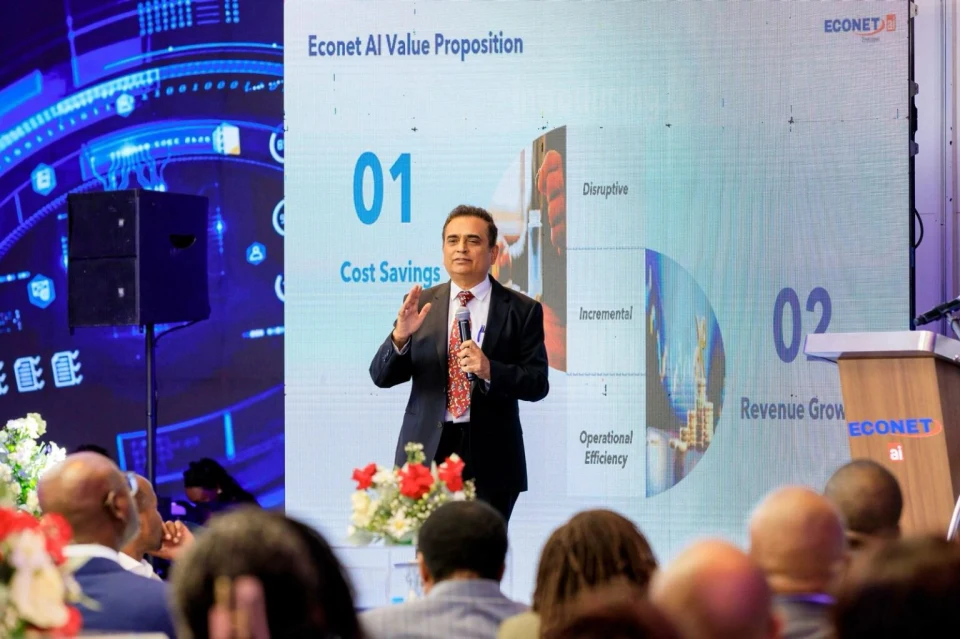
There is a broader strategy here too. Econet AI describes mobile operators as a distribution layer for artificial intelligence: they already have customer relationships, billing systems and large retail reach. If EcoAI Tokens gains traction, the product may become a template for how telecom operators package third-party AI services in other African markets.
Watch the token meter and the model list
The convenience does not automatically make the service cheaper. Token consumption can be difficult to predict, especially when a user uploads a long document, requests a large output or compares several models at once. Econet’s terms say usage varies according to the service, the complexity of the request and the amount of content processed.
In an early hands-on test, Techzim reported that a 5,000-token daily bundle was exhausted after two model-comparison messages. That single test is not a universal measure, but it illustrates why users should begin with real tasks and watch how quickly their balance falls. The relevant comparison is not only the package price; it is how much useful work the package completes.
Customers should also check which model versions are available. An aggregator can make several providers easier to reach, but it may not always expose the newest model, every advanced control or every feature available in the providers’ own apps. People who rely heavily on one model may still get more control from subscribing to that service directly.
Do not treat the platform as a private notebook
Econet’s offer terms warn that information submitted by customers may be processed while they interact with supported AI services. They advise users not to submit confidential, highly sensitive or personally identifiable information unless it is necessary and appropriate.
That is sensible advice for any generative AI service. Business contracts, passwords, private customer records, medical files and unpublished financial information should not be pasted into the platform without a clear understanding of how the data is handled. Users should also verify important AI-generated claims, particularly for medical, legal, financial and academic decisions.
Is it worth trying?
For eligible Econet prepaid customers, the free allocation makes the answer relatively simple: the service is worth testing with ordinary, non-sensitive work. Try the same task across two models, note the quality of their answers and watch the token cost. That will reveal more than the headline number alone.
EcoAI Tokens is most compelling as a payments and distribution product. It makes multiple AI systems accessible through tools Zimbabweans already use, rather than asking them to solve the international subscription problem first. Its long-term value will depend on transparent consumption, competitive paid packages, current models and a clear privacy experience.



Discussion
0 Comments
No approved comments yet. Start the conversation.