

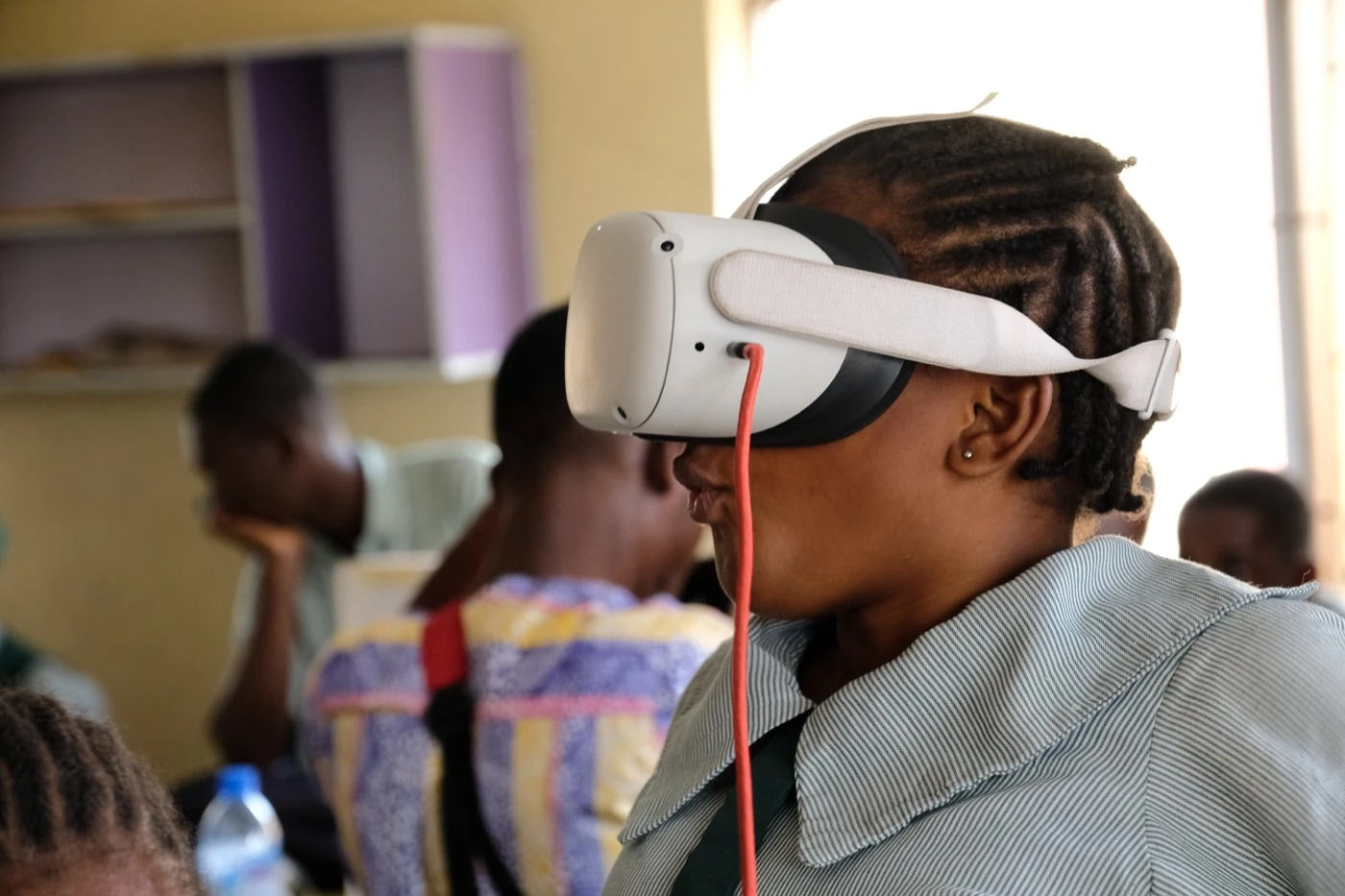
Ashesi University, MTN Ghana, Leti Arts and MiTale have partnered to establish the Ashesi Gaming and Applied Games Virtual Lab, an initiative designed to take game development beyond entertainment and explore practical uses in areas such as education and agriculture.
Announced on 5 October at the MTN Gaming Conference 2026, the lab will begin virtually. Ashesi says students from different disciplines will be able to work together on concepts that connect game design with technology, business, agriculture, nutrition, health and social science. The university frames the aim as building interactive tools around real problems, not only producing classroom exercises. (Ashesi University announcement)
A course and fellowship form the pipeline
Ashesi says its nine-week Applied Games and Gamification course, supported by the Nkabom Collaborative Grant, will be one route into the lab. A separate MTN–Leti Arts Game Development Fellowship is intended to give students opportunities to develop concepts and prototypes. The university says promising teams could receive mentorship, test prototypes with users, refine them and explore commercial paths through an incubation pipeline.
That structure addresses a common gap in early-stage creative technology: learning the tools is only one part of building a viable product. Teams also need a problem worth solving, access to users, feedback and a route from prototype to deployment. Connecting students with game studios and a telecom partner could give the work a broader network, although the announcement does not yet identify projects or outcomes from the new lab.
From virtual collaboration to a longer-term base
The partners describe a future physical facility for gaming, simulation, applied research and interactive technologies, but the launch is virtual. The near-term measure will be whether students produce prototypes that are tested outside the classroom and whether any move into sustained development.
For Ghana’s game ecosystem, the lab is an attempt to link education and industry rather than treat game-making as a standalone hobby. Its eventual impact will depend on the support and follow-through behind the programme, not the launch announcement alone.




Discussion
0 Comments
No approved comments yet. Start the conversation.