

BigDot.ai’s pitch is aimed at a familiar problem for small businesses: how to build a recognisable brand, keep customer relationships and accept payments without letting platform costs eat into already tight margins.
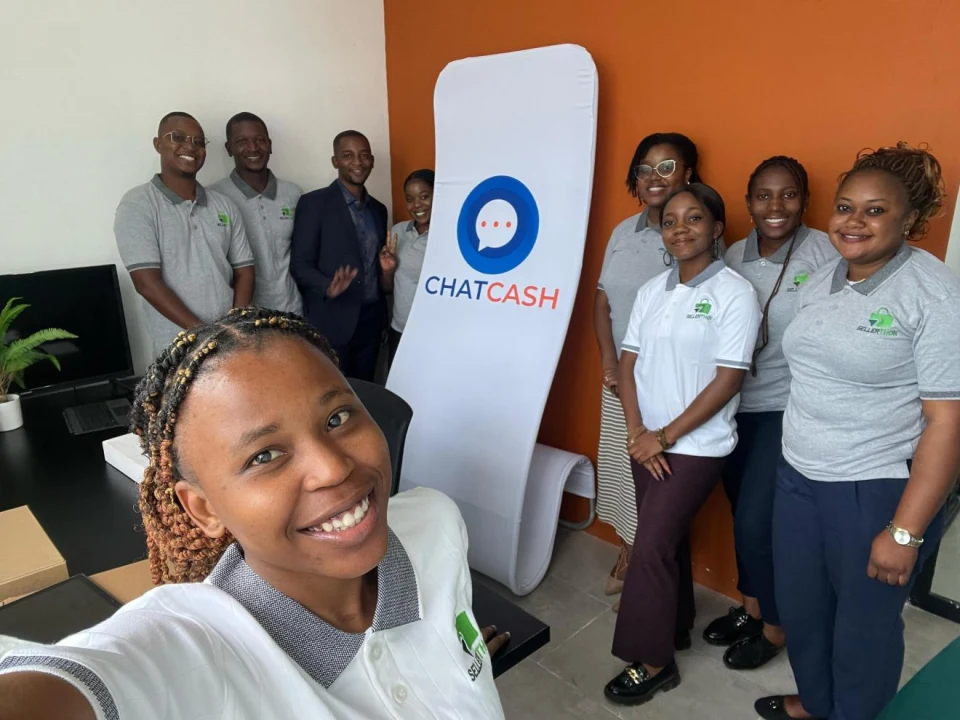
The company was selected for the fourth cohort of Visa’s Africa Fintech Accelerator in August 2025, alongside Zimbabwean fintech ChatCash. The 22-company virtual programme brought together early-stage businesses from 12 African countries for mentorship, technical support and investor connections. For a Zimbabwean startup, being included offered an opportunity to work inside a pan-African network rather than build relationships one market at a time.
A toolkit for smaller merchants
BigDot describes its focus as helping micro, small and medium enterprises participate in the digital economy. Its accelerator announcement emphasised three priorities for merchants: building a brand, retaining ownership of customer relationships and avoiding commissions. Those goals point to the practical choices facing a small seller who relies on social platforms and third-party marketplaces to reach buyers.
Digital tools can make it easier to establish an online presence, but the economics matter. If a merchant must pay a fee on every transaction or cannot take customer relationships with them when a platform changes its rules, moving online can create new dependencies. BigDot’s stated focus suggests it wants to offer businesses more control over those parts of the process.
What an accelerator can and cannot do
Visa’s programme provides access to expertise and networks, but an accelerator place is not the same as funding, customer traction or a regional launch. The durable measure will be whether BigDot can turn the programme into a product that merchants find useful, price it for businesses operating on thin margins and support payment options that work in their markets.
For Zimbabwe’s fintech scene, the selection was notable because two local companies entered the same cohort. It put a spotlight on founders building for the realities of African commerce, while also raising the familiar next question: can promising tools move from accelerator exposure into sustained adoption?
Sources: Techzim’s report on the cohort and BigDot’s announcement.




Discussion
0 Comments
No approved comments yet. Start the conversation.