


Dolphin Technologies Group is developing a connectivity product for underground mining and remote operations, adding a specialised industrial ambition to its broader telecommunications expansion.
In remarks reported on 12 November, technical director Tinashe Zharare described the work at the company’s Harare launch event. He said the underground solution was still being developed and did not disclose the technology or rollout timetable.
The report does not establish a completed underground deployment, measured performance or a named mine operating the proposed product.
Remote access and underground coverage are separate questions
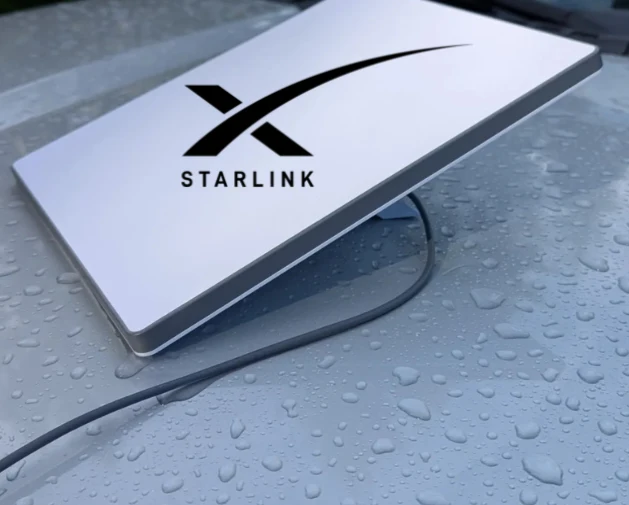
Zharare also discussed fibre options for mining areas and identified Starlink among partners for reaching isolated locations in the reported remarks. Those remarks do not establish how the proposed underground connection will work.
A mine considering the offer would need the supplier to distinguish its connection to the outside world from coverage inside the workings. The announcement leaves the design of that second part open.
It would therefore be premature to describe the product as an operational underground satellite service or assign it a particular radio technology. Dolphin has not provided those details in the reporting reviewed.
Start with a defined task
STACKWIRE’s view is that a useful demonstration should begin with a specific operational need. A proposal for routine messages may have different requirements from one intended to carry live equipment data or support another time-sensitive task.
For a hypothetical mine evaluating the product, an initial trial could define where the service must work, which devices it supports and what counts as a successful connection. Testing against those agreed conditions would be more informative than a broad claim of coverage.
That scope should include the limits. Buyers need to know which areas are excluded, how changes to the working environment are handled and who maintains the equipment. A successful demonstration at one location would not automatically establish suitability across an entire site.
Reliability needs evidence
Procurement discussions should also ask what happens during an interruption. The response process, replacement arrangements and responsibilities of each supplier need to be clear before a system is depended on for an operational task.
Any proposed safety-related use would require its own assessment and applicable approvals. The current announcement provides no basis for treating the product as an approved replacement for a mine’s existing safety communications.
Dolphin’s development work is worth following as a Zimbabwean industrial technology story. The next evidence to look for is a defined product, a disclosed pilot and results against the customer’s requirements. Those would show how the idea performs beyond a launch presentation.


Discussion
0 Comments
No approved comments yet. Start the conversation.